
- What exactly does refinancing a loan mean?
- Who qualifies for refinancing in the U.S.?
- How does the refinancing process work?
- When is the right time to refinance your student loans?
- Is refinancing worth it? Pros and cons explained
- How AI can guide your refinance decisions?
- How to apply and what to prepare?
- Could refinancing help your financial future?
- FAQs
Student Loan Refinance Explained: How to Lower Your Payments and Save Thousands?

Student debt continues to weigh heavily on millions of Americans. If you're one of them, you may be wondering how to make your monthly payments more manageable or how to save money in the long run. That’s where student loan refinance comes into play. But what does it actually mean? And is it the right move for you?
Let’s break it down.
What exactly does refinancing a loan mean?
Student loan refinance means taking out a new loan to pay off one or more existing student loans: federal, private, or both. The goal is to get a lower interest rate, a better repayment term, or both.
Instead of juggling multiple lenders or high-interest rates, refinancing consolidates your loans into one new loan with one monthly bill. This can simplify your finances and, for eligible borrowers, result in real savings.
Who qualifies for refinancing in the U.S.?
Not everyone can access the best student loan refinance deals. Lenders typically require:
- A solid credit score (usually 650 or higher)
- Stable income and low debt-to-income ratio
- A degree from an accredited institution
Some lenders allow a co-signer, which can help borrowers with thin credit histories qualify or secure better terms. However, if you refinance federal student loans, you’ll lose benefits like income-driven repayment plans and Public Service Loan Forgiveness (PSLF), so weigh your options carefully.

How does the refinancing process work?
The process for student loan refinance is fairly straightforward:
- Check your credit report to see where you stand.
- Compare lenders and get pre-qualified for rates.
- Submit an application and upload your loan info.
- If approved, your new lender pays off your old loans.
- You begin repayment on your new loan, ideally with better terms.
Tip: Some lenders offer rate discounts for setting up autopay, so look for those when comparing offers.
When is the right time to refinance your student loans?
Timing matters. You might want to consider student loan refinance when:
- Your credit score has improved since graduation
- Interest rates have dropped
- You’ve landed a steady, higher-paying job
- You want to switch from a variable to a fixed rate
- You’re paying off multiple loans and want a single monthly payment
On the flip side, avoid refinancing if you're relying on federal loan protections or nearing eligibility for forgiveness programs.

Is refinancing worth it? Pros and cons explained
Benefits
- Lower interest rates can reduce total repayment cost
- One loan = less hassle managing payments
- May lower your monthly payment and improve cash flow
- Option to change loan term (shorter or longer)
Risks
- You lose federal benefits (IDR, deferment, PSLF)
- Approval is credit-dependent
- Variable rates can increase over time
Ultimately, student loan refinance can be a great move, but only if it aligns with your current financial situation and future goals.
How AI can guide your refinance decisions?
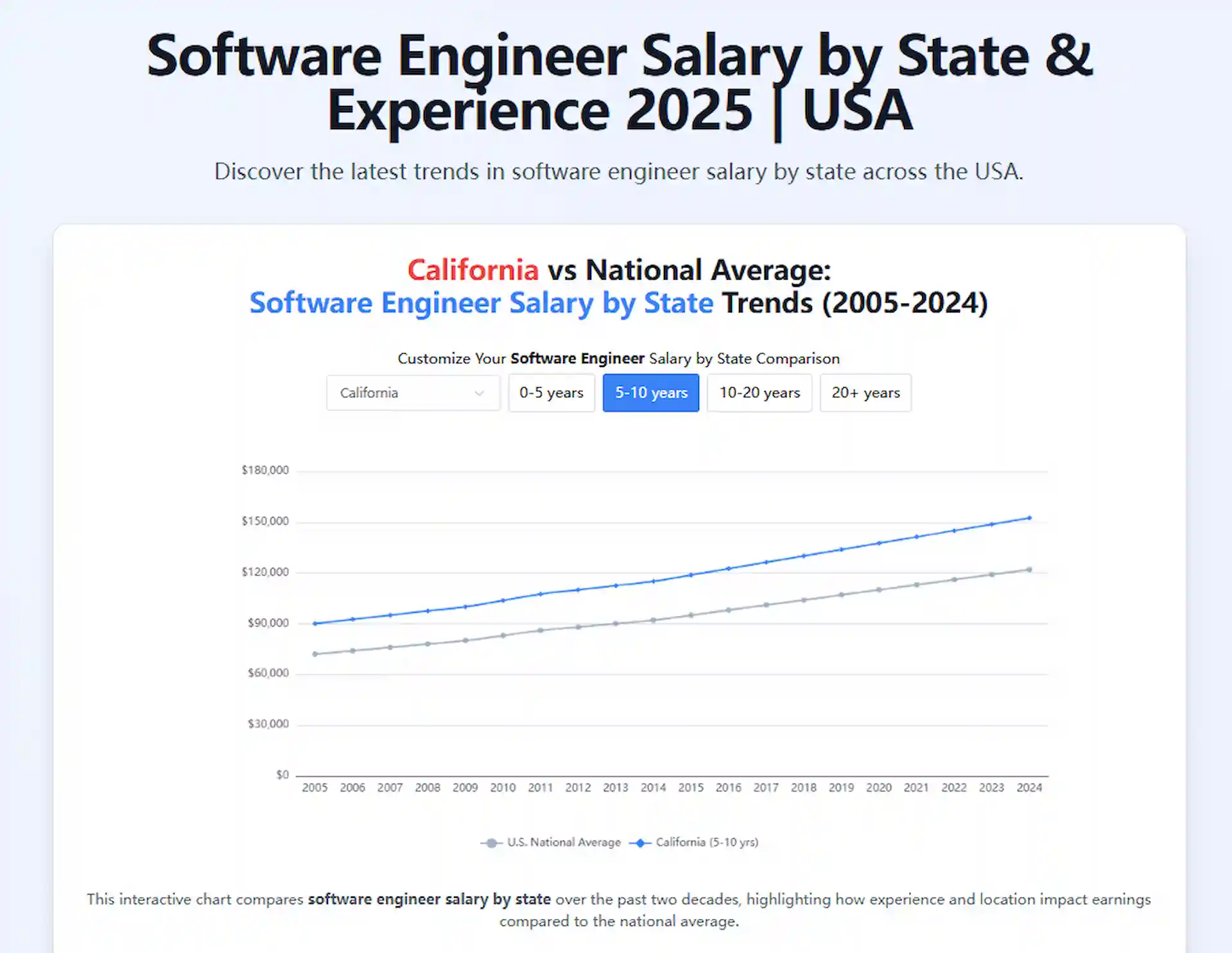
Before refinancing, it’s smart to consider how your income will evolve, and how that affects your ability to repay your loans. That’s exactly what our Salary Calculator AI was built for.
How it does:
- Predicts salary growth trends based on your job title, industry, and U.S. location
- Estimates how monthly payments fit into your future income
- Shows debt-to-income ratio projections to help you stay financially balanced
- Offers personalized suggestions on when to refinance, or whether to wait
Whether you're in tech, finance, education, or healthcare, our Salary Calculator AI provides tailored insights to help you make smarter loan and career choices together.
How to apply and what to prepare?
To get started with student loan refinance, prepare the following:
- A list of your current student loans (balances, rates, lenders)
- Proof of income and employment (W-2s, pay stubs, or tax returns)
- Your credit report (most lenders will run a soft check first)
- A U.S.-based co-signer, if your credit isn’t strong enough
Once you're ready, compare offers from at least 3 lenders, and read all terms carefully, especially regarding repayment flexibility and penalties.
Could refinancing help your financial future?
There’s no universal answer, but for many borrowers with good credit and steady income, student loan refinance opens the door to better financial flexibility and long-term savings.
Pairing a smart refinancing decision with income forecasting tools like Salary Calculator AI ensures you're not just saving money today, you're planning wisely for tomorrow.
FAQs
1. Is there a student loan refinance calculator I can use?
Yes! Most lenders and financial sites offer a student loan refinance calculator to estimate your monthly payments and total savings. For a more advanced perspective, try our Salary Calculator AI to combine payment estimates with future income trends.
2. What are the current student loan refinance rates?
Rates change frequently but typically range from 4.5% to 7.5% depending on your credit score, income, and loan type. Fixed rates offer stability, while variable rates may start lower but carry risk.
3. What does student loan refinance really mean?
It means taking out a new private loan to replace one or more existing student loans. The goal is usually to get a lower interest rate or a better repayment term potentially saving you thousands over time.
4. Who offers the best student loan refinance options?
Top refinance lenders include LendKey, Earnest, PenFed, and SoFi, each with unique benefits like flexible terms, no fees, or co-signer release. “Best” depends on your personal situation.
5. Is LendKey student loan refinance a good option?
Yes. LendKey connects borrowers with credit unions and community banks, often resulting in competitive rates and personalized service. It’s a strong contender if you have solid credit.
6. How does Earnest compare for student loan refinancing?
Earnest offers excellent flexibility, like choosing your own payment amount and due date. It’s great for borrowers who want more control over their repayment plan.
7. What about PenFed student loan refinance?
PenFed (Pentagon Federal Credit Union) is known for low rates, excellent service, and solid options for military-affiliated borrowers. You don’t need to be military to apply.
8. Can international students refinance student loans in the U.S.?
It’s challenging but not impossible. Some lenders like MPOWER Financing or Prodigy Finance specialize in student loan refinance for international students. A U.S.-based co-signer usually helps.